September 1, 2026
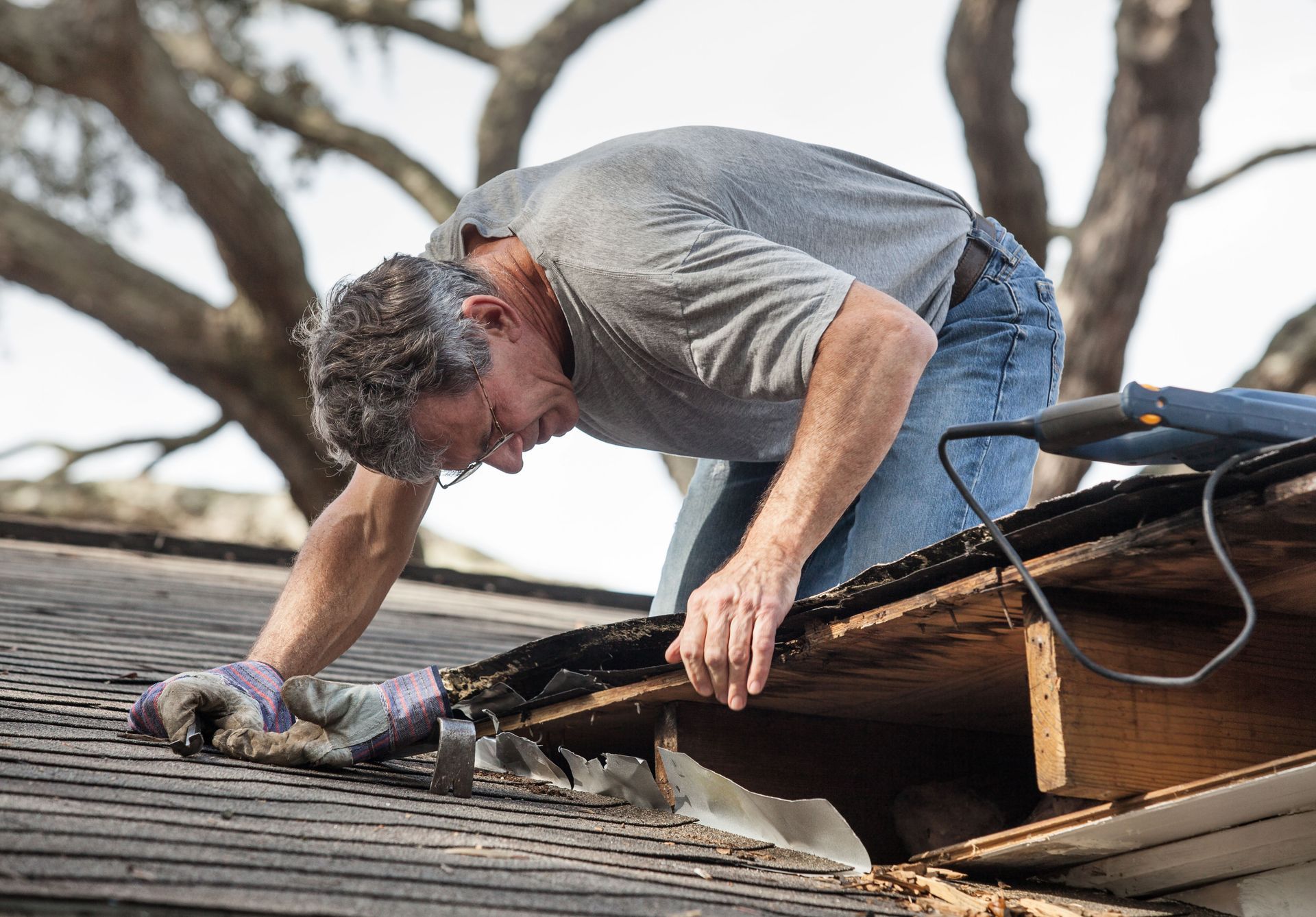
When most homeowners think about their roof, they envision the outer layer: shimmering architectural shingles, sleek standing-seam metal panels, or classic clay tiles. However, the true structural backbone of your home's protective canopy lies beneath those surface materials. Your roof deck—the sturdy wood sheathing crafted from plywood or oriented strand board (OSB)—acts as the primary foundation supporting everything above it. When moisture, poor airflow, or severe weather compromises this structural foundation, the consequences can quickly cascade into catastrophic damage throughout your home.
Securing professional roofing service at the first sign of trouble can mean the difference between a simple patch job and a complete, costly structural overhaul. Industry market data underscores how frequently homeowners face structural remediation. According to MordorIntelligence, replacement and repair projects drive approximately 63.5% of total U.S. roofing revenue. A significant portion of these extensive tear-offs is triggered not by surface shingle wear alone, but by subterranean wood decay occurring within the roof deck.
Understanding the hidden dangers of deck rot, recognizing early warning signs, and scheduling a timely roofing service with a professional team like Valley View Roofers can safeguard your property, protect your family's health, and preserve your financial investment for decades to come.
What Is a Roof Deck and Why Is It Critical?
The roof deck (or roof sheathing) is the continuous layer of wooden boards attached directly to your home's structural rafters or roof trusses. It fulfills several vital functions:
- Structural integrity: It ties roof rafters together, distributing structural loads—including snow, ice, wind, and equipment weight—evenly across the home's framing.
- Anchor for roofing materials: Every nail driven into an asphalt shingle, metal panel bracket, or underlayment relies on a solid wood deck to grip tightly and remain secure against high winds.
- Weather barrier support: The deck provides a flat plane for high-performance waterproofing underlayment and ice and water shields.
When wood decking remains dry and sound, your home benefits from a rigid, weather-resistant barrier. However, because wood is porous, prolonged moisture exposure causes it to warp, delaminate, and rot. Because this component sits hidden between attic insulation below and roofing felt above, deck deterioration often progresses silently for months before becoming visibly obvious on the exterior.
Primary Causes of Roof Deck Deterioration
Identifying the root causes of wood rot allows homeowners to take proactive preventative measures. Deck damage rarely happens overnight; rather, it stems from ongoing environmental pressures and delayed maintenance.
1. Chronic Surface Leaks
When shingles become cracked, curled, or blown off during heavy storms, rainwater penetrates the primary weather layer. Water seeps into the underlayment and pools directly on the wooden deck. Over time, repeated wet-dry cycles destroy the structural glues in OSB or rot the solid fibers of plywood.
2. Inadequate Attic Ventilation
Moisture does not only strike from above; it also attacks from below. Household activities like cooking, showering, and running clothes dryers generate significant interior humidity. In a poorly ventilated attic, this warm air rises and becomes trapped against the underside of the cool roof deck. During colder seasons, humidity condenses into liquid water on the wood, creating an ideal breeding ground for dry rot and destructive wood-decaying fungi.
3. Ice Damming
In regions experiencing harsh winter freezing, ice dams represent a major threat to roof decks. When heat escapes an uninsulated attic, it melts the snowpack on the upper roof. As this meltwater runs down toward cold unheated eaves, it refreezes into a solid ridge of ice. Trapped water backs up behind this barrier, forcing its way under shingles and soaking directly into the edge of the roof deck. Investing in an expert roofing service to evaluate your attic insulation and ventilation can prevent ice dams from forming.
4. Subpar Installation Practices
Skipping critical steps during initial construction—such as omitting protective drip edges, failing to install ice and water shields in valleys, or using low-grade sheathing materials—virtually guarantees premature deck failure. Partnering with a licensed roofing service ensures that all underlayment and sheathing systems meet strict building codes and local weather specifications.
The Hidden Dangers of Unaddressed Deck Damage
Ignoring early signs of deck degradation leads to far more serious consequences than simple aesthetic flaws. A decaying deck compromises your entire building envelope in four major ways:
Structural Sagging and Collapse Hazards
Rot severely weakens the load-bearing capability of plywood and OSB. As the wood breaks down, it loses its ability to hold heavy snow loads or high-wind forces. In severe cases, large sections of the roof deck can sag noticeably or even collapse inward, posing an immediate physical hazard.
Toxic Mold and Indoor Air Quality Risks
Rotting wood combined with dark, damp attic conditions creates a prime environment for toxic mold species, such as Stachybotrys chartarum (black mold). Mold spores quickly migrate down into your living quarters through ceiling fixtures and HVAC ductwork, triggering severe respiratory issues and allergies among occupants.
Thermal Loss and Skyrocketing Energy Bills
Soggy, rotted decking often leads to soaked attic insulation. When fiberglass or cellulose insulation becomes wet, it loses its thermal resistance (R-value). Your heating and cooling systems must work significantly harder to maintain comfortable interior temperatures, resulting in elevated monthly utility bills.
Expensive Structural Overhauls
Addressing localized shingle damage is relatively quick and affordable. However, when wood decking rots extensively, every layer above it must be torn away and discarded to rebuild the substrate. Utilizing a comprehensive preventative roofing service program prevents localized water intrusion from escalating into full-scale structural reconstruction.
How to Spot Roof Deck Damage Early
Because the roof deck is sandwiched between internal framing and external shingles, detecting damage requires a combination of indoor attic checks and outdoor visual observations. Homeowners who monitor these critical areas can catch structural issues early.
Interior Inspections (Inside the Attic)
- Water staining and discoloration: Inspect the underside of the roof sheathing with a flashlight. Dark rings, water streaks, or white mineral deposits signal active or past water penetration.
- Soft or spongy wood: Gently press against suspect areas of the wooden sheathing with a screwdriver handle. If the wood yields easily, feels damp, or crumbles, rot has set in.
- Visible daylight: Look up toward the roof peak and eaves with attic lights turned off. If daylight pierces through the wooden boards, the deck has gaps or severe decay that demands an immediate professional response.
- Musty odors: A persistent damp, earthy, or musty smell in your attic almost always indicates hidden mold growth and wet timber.
Exterior Observations (From the Ground)
- Wavy or dip-ridden roofline: Stand across the street and sight along your roof's ridge and slope lines. A healthy roof appears flat and uniform. Depressions, dips, or a wavy appearance usually mean the wooden decking beneath has rotted and sagged between rafters.
- Spongy feel underfoot: While homeowners should avoid walking on steep slopes, a trained technician performing a professional roofing service can immediately feel soft, yielding, or bouncy spots underfoot when inspecting a roof.
- Flaking, blistering, or moss growth: Concentrated moss accumulation or dark algae stains indicate that moisture is being retained in that section for extended periods, soaking through to the wood deck underneath.
At Valley View Roofers, our team of skilled professionals brings years of hands-on expertise to every project. Whether you suspect hidden attic leaks, notice a sagging roofline, or need a full structural evaluation, we provide transparent recommendations and master-tier craftsmanship. From routine maintenance to emergency restoration, our comprehensive roofing service options are designed to keep your home fully protected.
Do not wait for a minor leak to turn into a major structural emergency. Hiring a dependable roofing service like Valley View Roofers ensures your property remains safe, secure, and resilient against harsh weather. Visit us at Valley View Roofers today to schedule your free consultation and secure top-rated roofing solutions for your home.